How to Clean and Maintain PVC Foam Board Kitchen Cabinets
- Share
- From
- www.boardwaybuilding.com
- publisher
- Boardway
- Issue Time
- Apr 27,2026
Summary
Learn how to clean and maintain PVC foam board kitchen cabinets with easy tips. Discover why PVC cabinet boards are waterproof, durable, and low maintenance for modern kitchens.
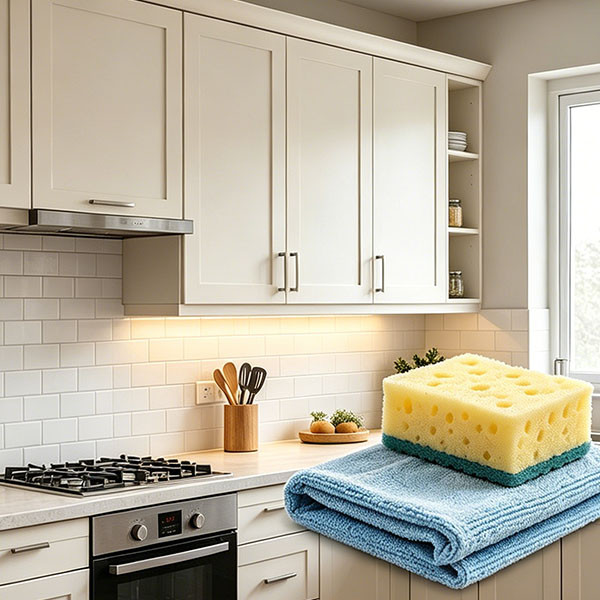
In modern kitchen design, PVC foam board for kitchen cabinets has become an increasingly popular choice due to its durability, moisture resistance, and low maintenance requirements. Compared to traditional materials like plywood or MDF, PVC foam board offers a smooth, non-porous surface that is easy to clean and highly resistant to common kitchen challenges such as humidity, grease, and stains.
However, while PVC foam board kitchen cabinets are known for their easy maintenance, proper cleaning and care are still essential to keep them looking new and performing well over time. In this guide, we’ll walk you through the best practices for cleaning and maintaining PVC foam board cabinets, along with expert tips to extend their lifespan.
Why PVC Foam Board Kitchen Cabinets Are Easy to Maintain
One of the main reasons homeowners and contractors prefer PVC foam board is its low-maintenance nature. Unlike wood-based materials, PVC foam board does not absorb water, making it highly resistant to swelling, warping, or mold growth.
Here are a few key advantages:
These properties make PVC cabinet boards one of the easiest materials to clean and maintain.
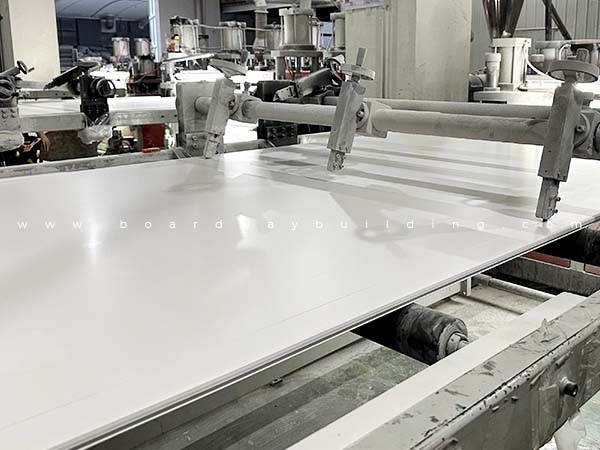
PVC Foam Board Production
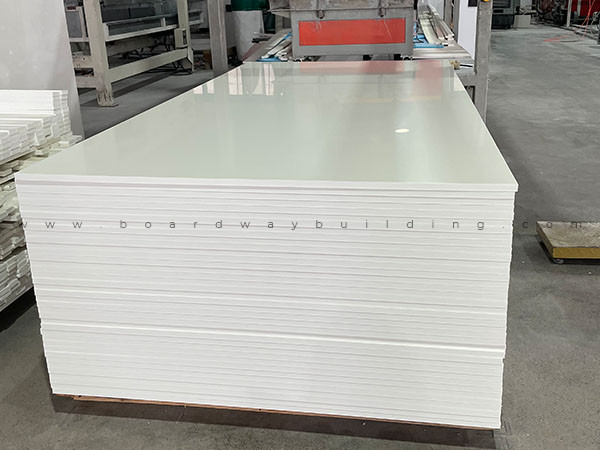
PVC Foam Board
Daily Cleaning Tips for PVC Foam Board Cabinets
Regular cleaning is the key to keeping your cabinets in top condition. Fortunately, cleaning PVC foam board kitchen cabinets requires minimal effort.
1. Use a Soft Cloth or Sponge
Always use a soft microfiber cloth or a non-abrasive sponge to clean the surface. Avoid using steel wool or hard brushes, as they may scratch the finish.
2. Use Mild Soap and Water
A simple solution of warm water and mild dish soap is sufficient for everyday cleaning. Gently wipe the surface to remove dust, grease, and food residues.
3. Wipe Dry After Cleaning
After cleaning, use a dry cloth to wipe away any remaining moisture. While PVC foam board is waterproof, drying the surface helps prevent water spots and keeps it looking polished.
How to Remove Stubborn Stains from PVC Cabinets
Although PVC foam board resists most stains, kitchens are high-activity areas where tougher stains can occur. Here’s how to handle them effectively:
Oil and Grease Stains
Use a mild degreasing cleaner or a diluted vinegar solution. Apply it to the stained area and gently wipe with a soft cloth.
Food Residue
For dried or sticky food stains, use a baking soda paste (baking soda mixed with water). Lightly rub the area and wipe clean.
Ink or Marker Stains
Use a small amount of rubbing alcohol on a cloth. Always test it on a hidden area first to ensure it doesn’t affect the surface finish.
What to Avoid When Cleaning PVC Foam Board
To maintain the appearance and longevity of your cabinets, avoid the following:
By avoiding these common mistakes, you can ensure your PVC foam board cabinets stay in excellent condition.


Maintenance Tips to Extend Cabinet Lifespan
Beyond cleaning, proper maintenance plays a crucial role in extending the life of your kitchen cabinets.
Clean Regularly: Wipe surfaces at least once a week to prevent buildup. Avoid Heavy Impact: Prevent hitting the cabinet edges with heavy objects. Use Protective Pads: Place liners or mats inside cabinets to reduce wear. Check Hardware: Periodically inspect hinges and handles for proper function.
These simple steps can significantly improve the durability and appearance of your cabinets.
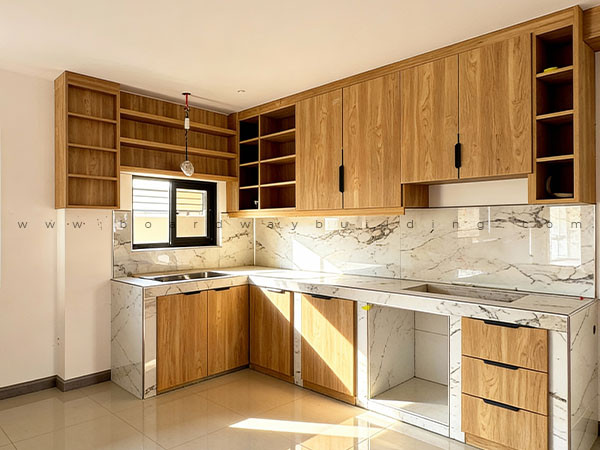
PVC Foam Board for Kitchen Cabinet
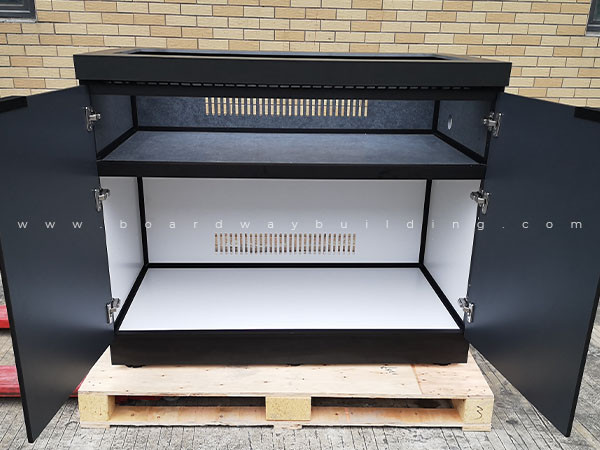
PVC Foam Board for Side Panels
How PVC Foam Board Performs in Kitchen Environments
Kitchens are exposed to moisture, heat, and daily wear, making material selection critical. PVC foam board for kitchen cabinets performs exceptionally well in such environments.
Moisture Resistance: Ideal for areas near sinks and dishwashers. Heat Tolerance: Maintains shape and stability under normal kitchen temperatures. Oil and Stain Resistance: Perfect for cooking areas where grease exposure is common.
Thanks to these properties, PVC foam board is widely used in both residential and commercial kitchen applications.
PVC Foam Board vs Traditional Cabinet Materials: Maintenance Comparison
When it comes to maintenance, PVC foam board clearly stands out compared to traditional materials:
| Material | Cleaning Ease | Water Resistance | Maintenance Level |
PVC Foam Board | Easy | Excellent | Low |
| Plywood | Moderate | Medium | Medium |
| MDF | Difficult | Poor | High |
| Solid Wood | Moderate | Low | High |
This comparison highlights why many professionals are shifting toward PVC foam board kitchen cabinets for long-term convenience and performance.
Conclusion
PVC foam board kitchen cabinets are an excellent choice for modern kitchens due to their durability, waterproof properties, and low maintenance requirements. With simple cleaning routines and proper care, these cabinets can maintain their appearance and functionality for many years.
By following the tips outlined in this guide, you can keep your cabinets looking clean, hygienic, and stylish with minimal effort.
Looking for high-quality PVC foam board for kitchen cabinets?
Contact us today to get expert advice and customized solutions tailored to your project needs.
FAQ
Q1. Is PVC foam board easy to clean?
A: Yes, it requires only mild soap and water for regular cleaning.
Q2. Can PVC kitchen cabinets get stained?
A: They are resistant to stains, but grease and food residues should be cleaned promptly.
Q3. How often should I clean PVC cabinets?
A: Light cleaning once a week is usually sufficient.
Q4. Can I use chemical cleaners on PVC foam board?
A: Avoid strong chemicals; use mild cleaning solutions instead.
Q5. Does PVC foam board absorb water?
A: No, it is completely waterproof and does not absorb moisture.
- Want to learn more about PVC foam boards? Visit our PVC Foam Board main page.
- READ MORE