What Is Cellular PVC Trim Board? Benefits, Uses & Comparison Guide
- Share
- From
- www.boardwaybuilding.com
- publisher
- Boardway
- Issue Time
- May 6,2026
Summary
Learn what cellular PVC trim board is, how it compares to wood trim, and why it is widely used for exterior trim, fascia, window surrounds, and decorative mouldings.
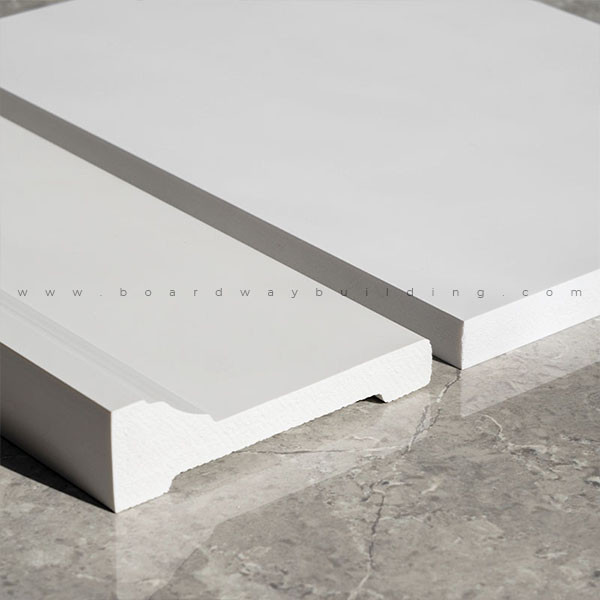
Exterior trim plays an important role in both the appearance and durability of a building. Traditional wood trim has been used for decades, but problems such as rot, moisture absorption, cracking, peeling paint, and insect damage have led many builders and homeowners to search for better alternatives. One of the most popular modern solutions is Cellular PVC Trim Board.
Today, Cellular PVC Trim Boards are widely used in residential and commercial construction for exterior trim, fascia boards, window surrounds, corner boards, decorative mouldings, soffits, and many other architectural details. They offer the appearance of painted wood while providing superior moisture resistance and lower maintenance requirements.
In this guide, we will explain what Cellular PVC Trim Board is, how it is made, its key advantages, common applications, and why it has become a preferred material for exterior trim projects.
What Is Cellular PVC Trim Board?
Cellular PVC Trim Board is a type of rigid expanded PVC building material specifically designed for exterior trim and decorative applications. Unlike solid PVC sheets, cellular PVC has a lightweight foamed internal structure that gives it excellent workability while maintaining good strength and durability.
The material is manufactured through an extrusion process using PVC resin combined with foaming agents and additives. This creates a consistent cellular structure throughout the board, resulting in a product that is lightweight, moisture resistant, and easy to fabricate.
Cellular PVC Trim Boards are commonly used as a replacement for traditional wood trim because they offer many similar fabrication advantages while eliminating common wood-related problems such as:
Because of these benefits, Cellular PVC Trim is widely used in exterior environments exposed to rain, humidity, temperature changes, and direct sunlight.
The surface of the board is usually smooth or lightly textured and can be painted with exterior-grade paint if desired. Many builders also choose white Cellular PVC Trim Boards that can be installed without painting.
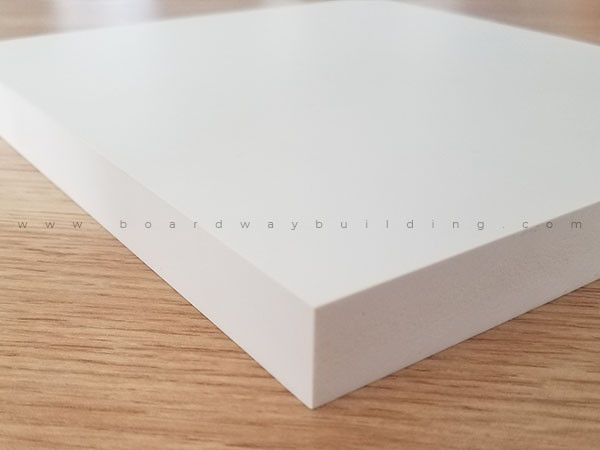
Cellular PVC Trim Board
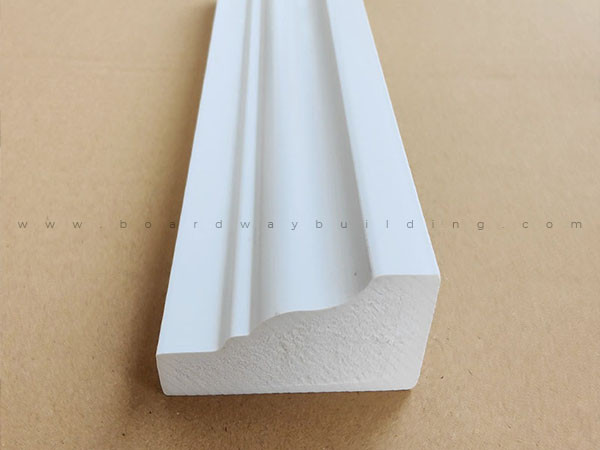
Cellular PVC Moulding
How Is Cellular PVC Trim Board Made?
Cellular PVC Trim Boards are typically produced through a foam extrusion process. During manufacturing, PVC resin is mixed with stabilizers, modifiers, foaming agents, and other additives. The material is then heated and extruded into board profiles.
As the material expands during extrusion, it forms a fine cellular internal structure. This process provides several important characteristics:
The finished boards are available in different:
Depending on the application requirements, manufacturers may offer smooth surfaces, matte surfaces, or woodgrain textures to better match architectural designs.
Because Cellular PVC does not absorb moisture like wood, it performs particularly well in outdoor environments where long-term weather resistance is required.
Key Benefits of Cellular PVC Trim Boards
One of the main reasons Cellular PVC Trim has become so popular is its combination of durability, low maintenance, and fabrication flexibility.
Waterproof and Moisture Resistant
Unlike wood trim, Cellular PVC Trim Boards do not absorb water. This makes them highly suitable for exterior environments exposed to rain, humidity, snow, and coastal conditions.
Traditional wood trim can swell, crack, or rot after prolonged moisture exposure. Cellular PVC remains dimensionally stable and maintains its appearance over time.
This waterproof performance makes Cellular PVC ideal for:Exterior fascia boards Window trim Door trim Soffits Porch applications Coastal homes
Rot, Mold, and Insect Resistant
Wood trim is vulnerable to termites, mold growth, and decay, especially in humid climates. Cellular PVC Trim eliminates these issues because it is not an organic material.
This provides several long-term advantages:
Reduced maintenance costs Longer service life Fewer replacement requirements Better performance in wet environments
For builders and contractors, using Cellular PVC Trim can also help reduce warranty callbacks related to moisture damage.
Low Maintenance
One of the biggest selling points of Cellular PVC Trim Boards is their low maintenance requirements.
Wood trim often requires:
Cellular PVC requires significantly less upkeep. It does not peel or deteriorate like wood when exposed to moisture, making it a practical solution for homeowners looking for long-lasting exterior trim materials.
Routine cleaning with mild soap and water is typically sufficient to maintain the appearance of the material.
Easy to Cut and Fabricate
Another advantage of Cellular PVC Trim is its excellent workability. Builders can use many standard woodworking tools to process the material.
The boards can be:
This allows contractors to fabricate custom trim details and decorative mouldings with relative ease.
Because the material is lightweight, handling and installation are also more convenient compared to some heavier exterior building materials.
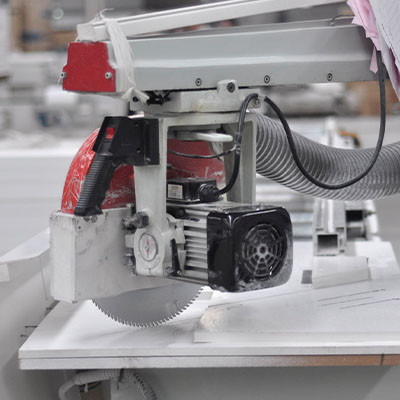
45-degree miter saw
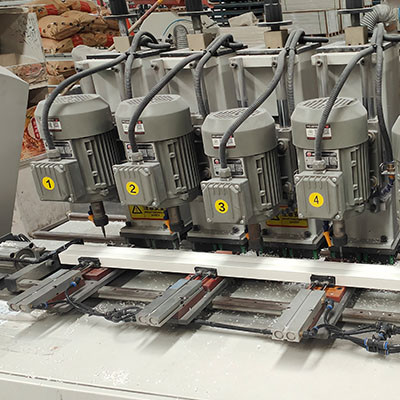
Drilling machine
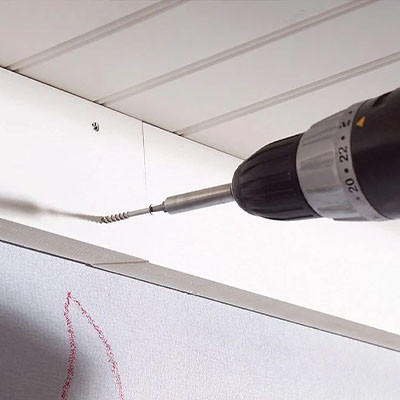
Screw fastening
Smooth Surface for Painting
Cellular PVC Trim Boards are paintable and provide a smooth, clean finish for exterior applications.
Many contractors use 100% acrylic latex paint for Cellular PVC products. Painting allows homeowners and architects to match specific color schemes while maintaining the performance advantages of PVC.
White Cellular PVC Trim is also popular because it offers a clean appearance without requiring immediate painting.
Long Service Life
Exterior trim materials are constantly exposed to harsh weather conditions. Cellular PVC Trim is designed to withstand:
Because it does not rot or absorb water, Cellular PVC often provides a longer service life than traditional wood trim in exterior applications.
Common Applications of Cellular PVC Trim
Cellular PVC Trim Boards are highly versatile and can be used in many architectural and decorative applications.
PVC Fascia Boards
Fascia boards are installed along roof edges and are frequently exposed to moisture. Traditional wood fascia often deteriorates over time due to water exposure.
Cellular PVC Fascia Boards provide:
This makes them a preferred option for many builders and roofing contractors.
PVC Window Trim
Exterior window trim is another area highly exposed to rain and humidity. Cellular PVC Window Trim helps prevent common problems associated with wood window surrounds.
Benefits include:
PVC Window Trim is commonly used in both modern and traditional architectural styles.
PVC Door Trim
Exterior door frames and decorative trim are often exposed to heavy weather conditions. Cellular PVC Door Trim offers better resistance to rot and swelling compared to wood.
It is commonly used for:
PVC Corner Boards
Corner boards are installed at the exterior corners of buildings and help create clean architectural lines.
Cellular PVC Corner Boards provide:
They are frequently paired with vinyl siding, fiber cement siding, and other exterior cladding systems.
Decorative PVC Mouldings
Cellular PVC can also be fabricated into decorative profiles and mouldings for architectural detailing.
Common applications include:
Because the material is easy to machine, manufacturers can produce a wide range of custom profiles for different architectural styles.
Porch, Soffit, and Roofline Trim
Cellular PVC Trim is also widely used around:
These areas are especially vulnerable to moisture and temperature changes, making Cellular PVC a practical alternative to traditional wood components.
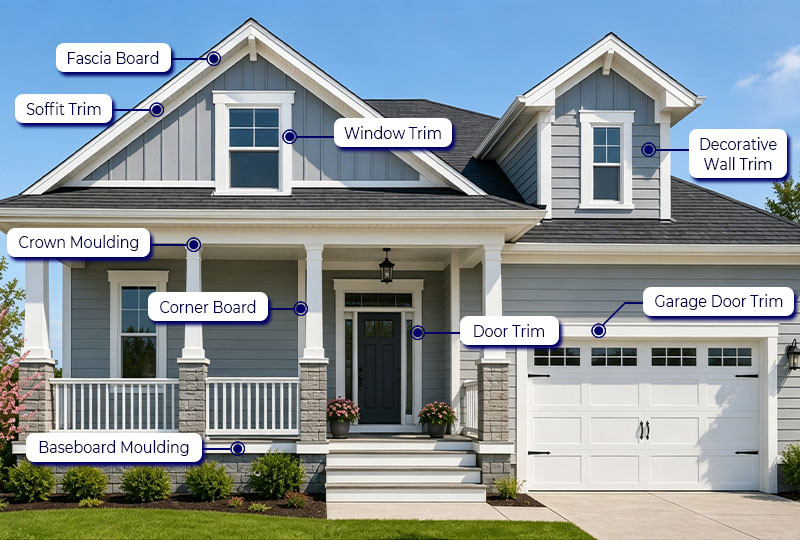
Cellular PVC Trim vs Wood Trim
Many builders and homeowners compare Cellular PVC Trim directly with traditional wood trim when selecting exterior materials.
While wood remains popular for certain applications, Cellular PVC offers several performance advantages in exterior environments.
| Feature | Cellular PVC Trim | Wood Trim |
| Waterproof | Yes | No |
Rot Resistant | Yes | No |
Mold Resistance | Excellent | Limited |
Insect Resistance | Excellent | Vulnerable |
Maintenance | Low | High |
| Painting Requirement | Optional | Usually Required |
Moisture Absorption | Very Low | High |
| Lifespan in Humid Climates | Long | Moderate |
Wood trim offers a natural appearance and traditional aesthetic, but it typically requires ongoing maintenance to prevent deterioration.
Cellular PVC Trim, on the other hand, is designed to provide a more durable and low-maintenance solution for modern exterior construction.
This is especially important in:
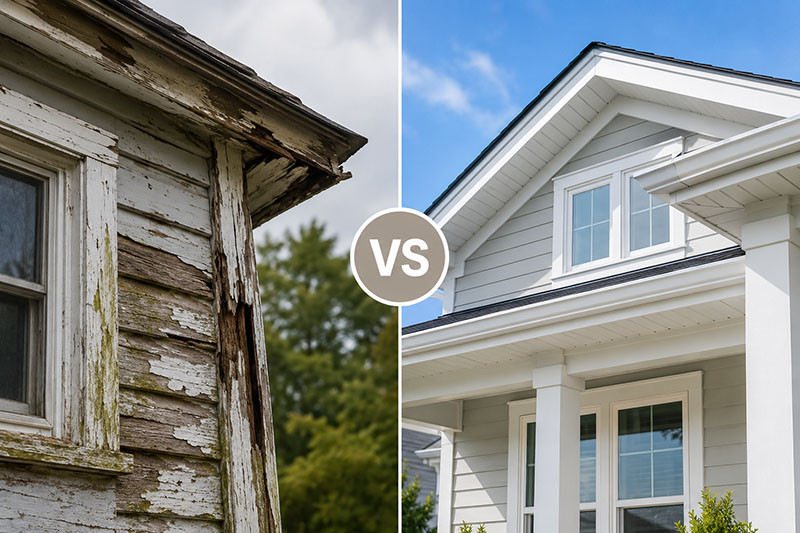
Is Cellular PVC Trim Suitable for Exterior Use?
Yes. Cellular PVC Trim Boards are specifically engineered for exterior applications.
Their resistance to water, rot, insects, and weather exposure makes them highly suitable for outdoor construction projects.
Common exterior uses include:
House trim Roofline trim Fascia boards Window surrounds Door frames Decorative mouldings Exterior corner boards
Compared to wood, Cellular PVC maintains better dimensional stability in changing weather conditions. It does not absorb moisture, swell, or deteriorate as easily over time.
This makes it especially useful in coastal and humid regions where traditional wood trim may fail more quickly.
Can Cellular PVC Trim Be Painted?
Yes. Cellular PVC Trim Boards can be painted using high-quality exterior acrylic latex paint.
Although many white PVC trim products are installed without painting, painting is often preferred for:
Before painting, the surface should be:
Lighter paint colors are generally recommended because darker colors can absorb more heat and increase thermal expansion.
Many manufacturers also provide installation and painting guidelines to help ensure long-term performance.
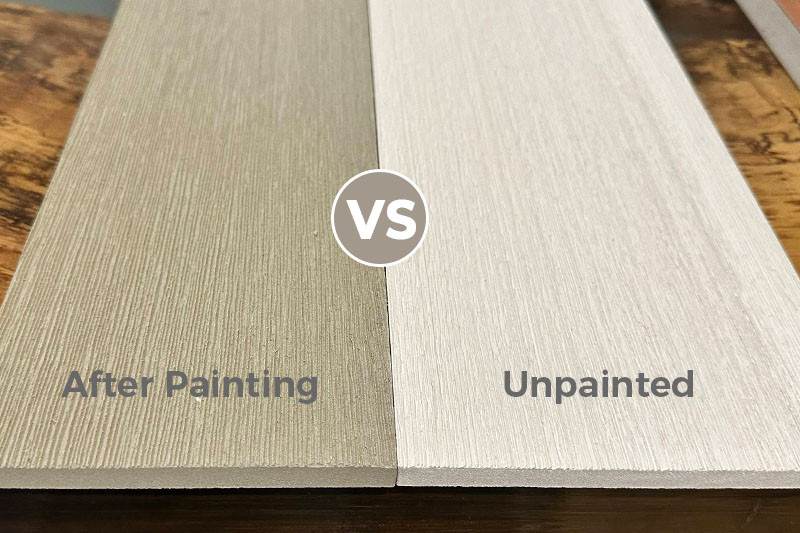
Installation Tips for Cellular PVC Trim Boards
Proper installation is important to achieve the best long-term results with Cellular PVC Trim.
Leave Proper Expansion Gaps
Like many building materials, Cellular PVC can expand and contract slightly with temperature changes.
Installers should follow manufacturer recommendations regarding:
Use Recommended Fasteners
Exterior-grade screws or fasteners designed for PVC trim should be used to ensure secure installation.
Proper fastening helps maintain dimensional stability and appearance over time.
Use PVC Adhesives for Joints
Special PVC trim adhesives can help create strong joints and cleaner finished corners.
Adhesives are often used together with mechanical fasteners for improved durability.
Follow Exterior Installation Best Practices
Builders should also consider:
These practices help maximize the service life of the entire exterior trim system.
Why Builders and Contractors Prefer Cellular PVC Trim
Cellular PVC Trim has become increasingly popular among builders, contractors, architects, and distributors because it combines performance with fabrication flexibility.
Key reasons include:
For manufacturers and OEM suppliers, Cellular PVC also allows the production of custom profiles and decorative mouldings tailored to different market requirements.
Today, many construction professionals choose Cellular PVC Trim for projects that require:
Conclusion
Cellular PVC Trim Board is a modern exterior trim solution designed to provide long-term durability, moisture resistance, and low maintenance performance.
Compared to traditional wood trim, Cellular PVC offers several important advantages, including:
It is widely used for:
As exterior construction increasingly focuses on durability and low maintenance materials, Cellular PVC Trim Boards continue to gain popularity in residential and commercial building projects worldwide.
For builders, distributors, and contractors looking for reliable exterior trim materials, Cellular PVC provides a practical and professional solution for modern architectural applications.
FAQs About Cellular PVC Trim Boards
Is Cellular PVC Trim waterproof?
Yes. Cellular PVC Trim Boards are highly moisture resistant and do not absorb water like traditional wood trim.
Can Cellular PVC Trim be painted?
Yes. Most Cellular PVC Trim products can be painted using exterior-grade acrylic latex paint.
Does Cellular PVC Trim rot or crack?
Cellular PVC Trim does not rot because it does not absorb moisture. It is also resistant to many common exterior deterioration problems associated with wood.
Is Cellular PVC better than wood trim?
For many exterior applications, Cellular PVC offers better moisture resistance, lower maintenance, and improved durability compared to wood trim.
What is Cellular PVC Trim used for?
Cellular PVC Trim is commonly used for fascia boards, window trim, door trim, corner boards, decorative mouldings, soffits, and other exterior architectural applications.
Related Products

Boardway manufactures durable cellular PVC Trim Board for fascia, soffit, window trim, and exterior architectural applications.
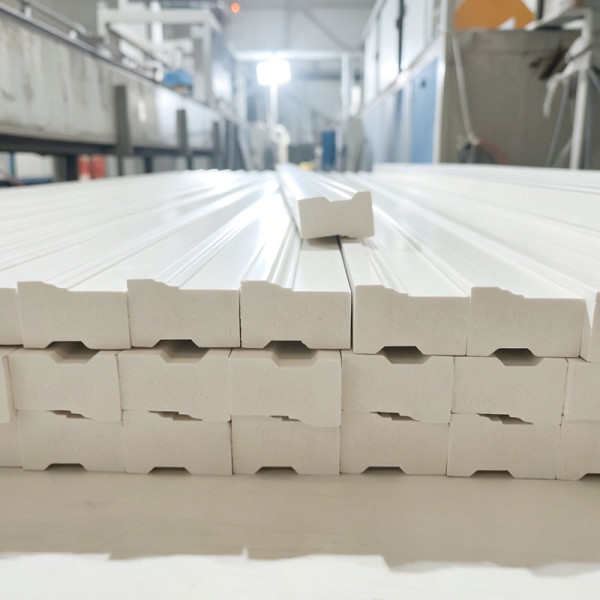
Boardway manufactures decorative cellular PVC Moulding for crown moulding, baseboard, door casing, and decorative trim projects.
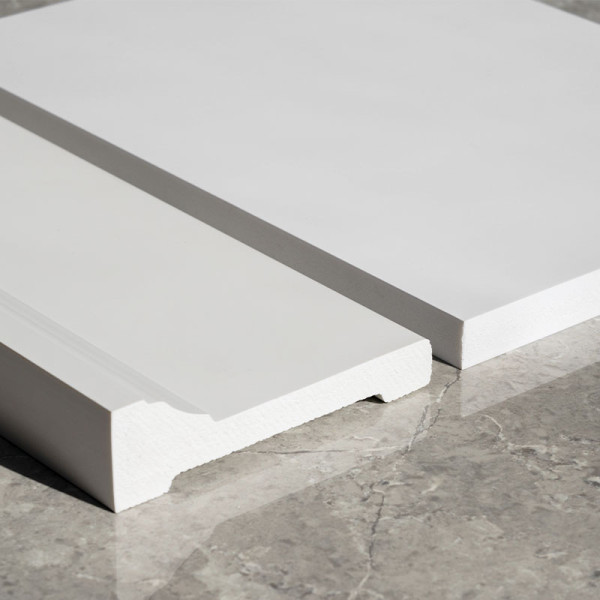
Complete PVC Trim Board & Moulding solutions for exterior and interior architectural applications with OEM customization support.
- Want to learn more about Cellular PVC Trim Boards? Visit our product main page.
- READ MORE