3 Common Misconceptions About PVC Foam Board and the Truth Behind Them
- Share
- From
- www.boardwaybuilding.com
- publisher
- Boardway
- Issue Time
- Dec 16,2025
Summary
Discover the top three misconceptions about PVC foam board, including flame-retardant performance, environmental safety, and durability. Learn how PVC foam board is tested, why it is considered an excellent wood substitute, and what makes it a reliable material for residential and commercial applications.
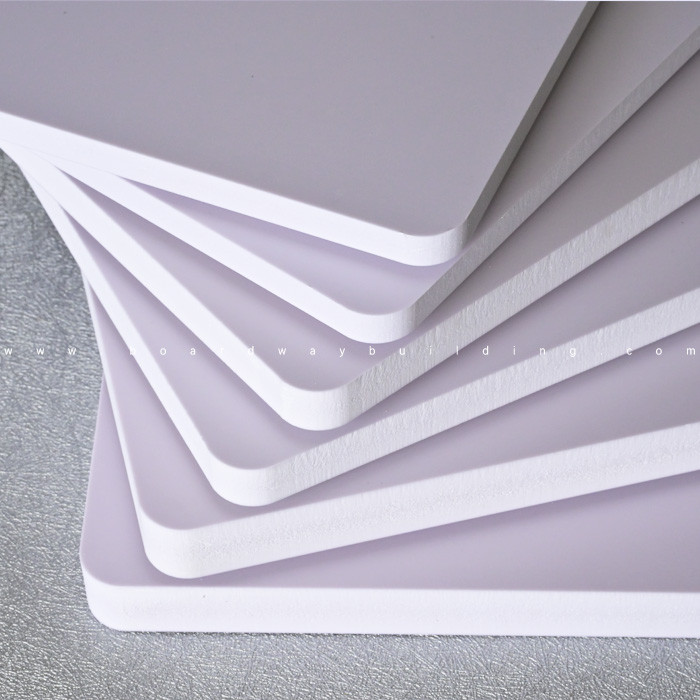
PVC foam board has become one of the most promising alternatives to traditional wood-based materials in markets around the world. Its durability, lightweight structure, moisture resistance, and ease of fabrication make it widely used in home decoration, commercial spaces, furniture manufacturing, printing, and industrial applications.
However, as the market grows, misinformation and misunderstandings about PVC foam board also increase—especially among end-users who rely on simple “tests” rather than official standards. In this article, we’ll clarify the three most common misconceptions and explain the real facts based on internationally recognized testing methods and industry knowledge.
Introduction: Why Misunderstandings Happen
PVC foam board is often compared to materials like MDF, plywood, WPC, and solid PVC sheet. Because it appears similar in shape to wood boards yet behaves differently under heat, pressure, and abrasion, users sometimes rely on intuition rather than technical standards.
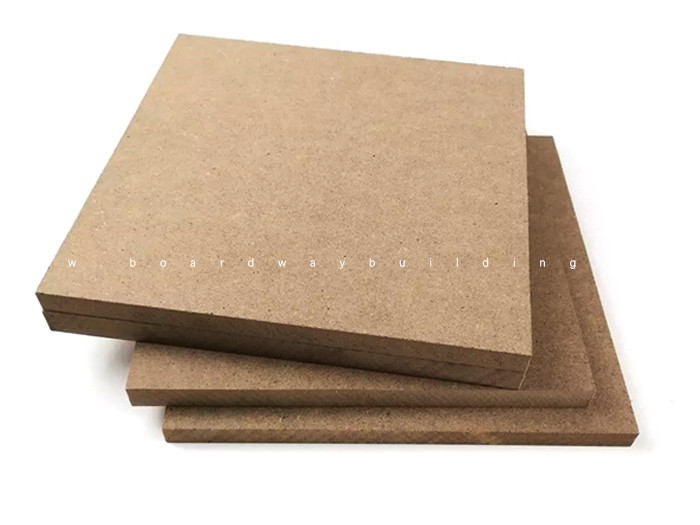
MDF
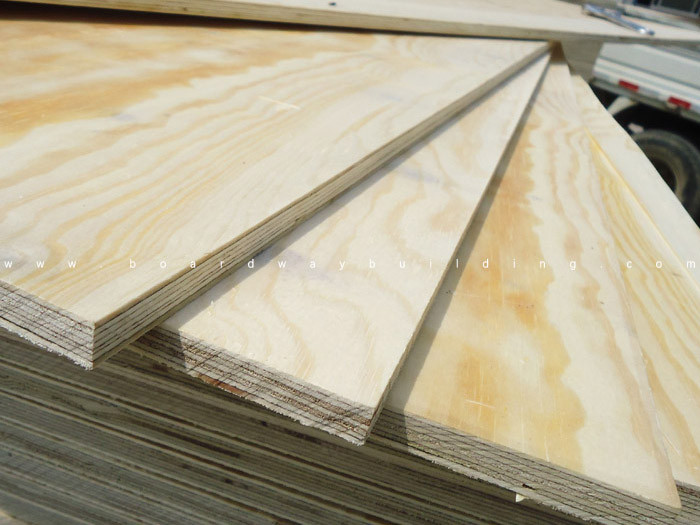
Plywood
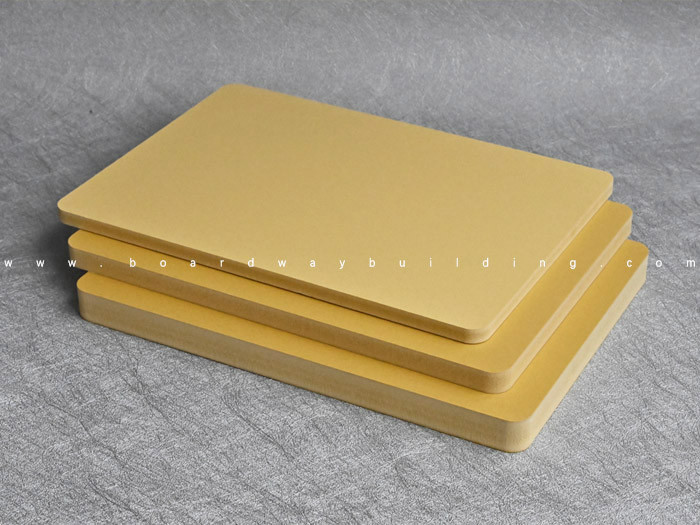
WPC Foam Board
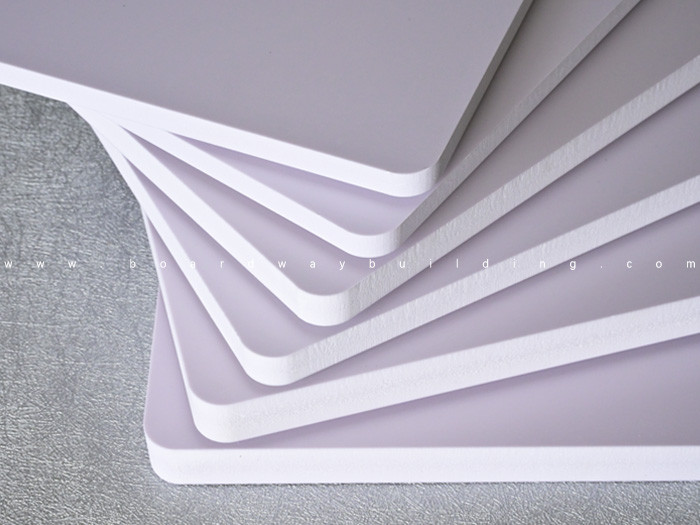
PVC Foam Board
To help buyers make informed decisions—especially B2B customers in construction, decoration, furniture, and commercial applications—this article explains the truth behind the most common misconceptions.
Misconception 1: “Flame Retardant Means It Should Not Burn at All”
The misunderstanding
Some people test the fire performance of PVC foam board by holding a lighter directly against the surface. If the material ignites, they believe it is not fire-resistant. If it does not ignite, they assume it is flame-retardant.
This is a widely spread but incorrect method.
The truth
Flame retardant does not mean “non-combustible.”
According to national and international material standards:
These classifications mean the material slows flame propagation, self-extinguishes after the fire source is removed, and does not contribute significantly to combustion—but it can still burn when exposed to a continuous flame.
How fire performance is actually tested
For PVC flooring and PVC-based decorative materials, the Bf1-t0 level uses the alcohol-soaked cotton ball test:
1. A cotton ball (10 mm diameter) is soaked in alcohol.
2. It is placed on the PVC surface and allowed to burn naturally.
3. After the cotton burns out, the burn mark on the PVC board is measured.
4. If the burnt mark is less than 50 mm in diameter, the material meets Bf1-t0 flame-retardant standards.
This standard does not involve using a lighter, blowtorch, or any household test.
What this means for buyers
PVC foam board:
But it is not a substitute for Class A non-combustible materials.
Misconception 2: “Environmental Safety Depends on Whether It Smells”
The misunderstanding
Some users believe that if a PVC foam board has any odor—especially when newly produced—it must not be environmentally friendly or must contain harmful chemicals.
The truth
Odor is not a valid method to assess environmental safety.
Environmental safety is determined by certification and VOC emission levels, not by smell.
Key facts
1. PVC contains no formaldehyde.
Unlike MDF, plywood, or particle board, PVC does not require formaldehyde-based adhesives.
PVC foam board is formaldehyde-free by nature.
2. High-quality PVC foam boards use non-toxic raw materials.
Premium products—especially those used in home interiors—use:
3. A slight smell does not mean “not safe.”
Freshly extruded PVC foam board may have a temporary light odor due to heat during production.
This is normal and will disperse naturally in a ventilated environment.
4. Environmental standards rely on VOC testing
Formal inspection doesn’t rely on “smelling,” but on recognized tests such as:
Boardway supplies PVC foam boards that comply with global environmental standards, ensuring safety for home and commercial use.
What this means for buyers
PVC foam board is one of the safest and most stable decorative materials available today, especially for applications requiring low VOC and no formaldehyde.
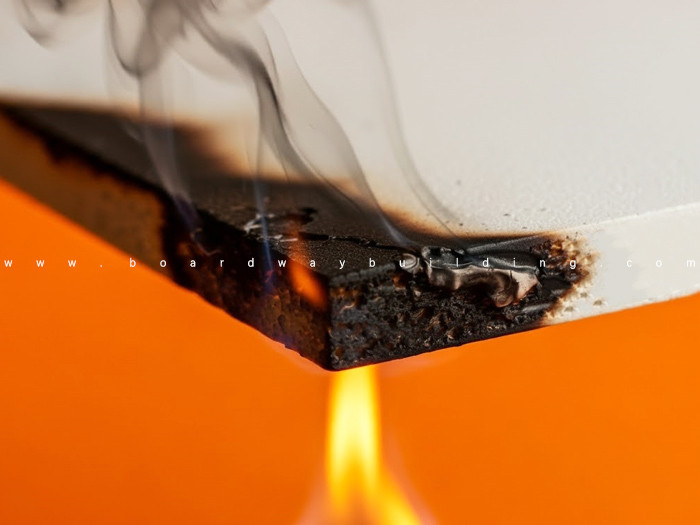
Flame-Retardant PVC Foam Board
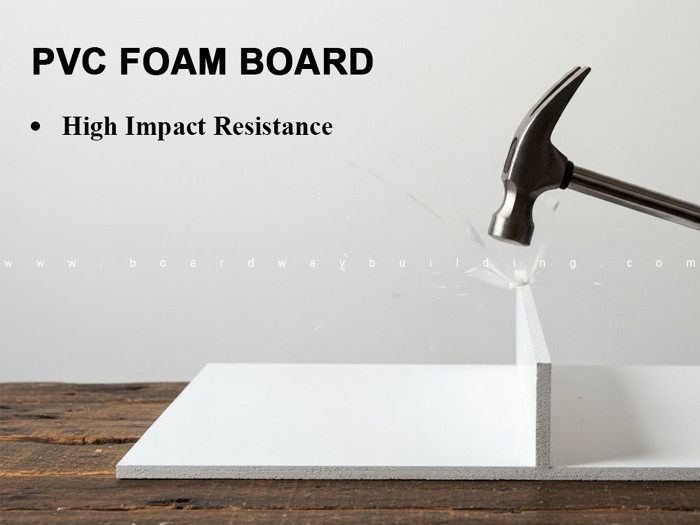
High Impact Resistance PVC Foam Board
Misconception 3: “If It Scratches Easily with a Knife, It Is Not Wear-Resistant”
The misunderstanding
Some people judge wear resistance by scratching the surface of PVC foam board with a knife, key, or sharp object. If scratches appear, they assume the board is not durable.
This method is unscientific and does not represent actual wear resistance.
The truth
Scratch resistance and wear resistance are two different concepts.
How wear resistance is actually measured
The industry standard for PVC material wear resistance is typically the:
Taber Abrasion Test (ASTM D4060)
This test measures:
The test uses standardized abrasive wheels rotating under fixed pressure for hundreds or thousands of cycles.
The weight loss after testing determines the wear layer performance.
Why a knife test is invalid
A knife test measures scratch resistance, not abrasion durability.
Even metals and hardwoods can be scratched with enough force.
PVC foam board, especially those used in furniture or decorative panels, is designed to withstand:
It is not designed to resist sharp, destructive force from tools.
What this means for buyers
PVC foam board:
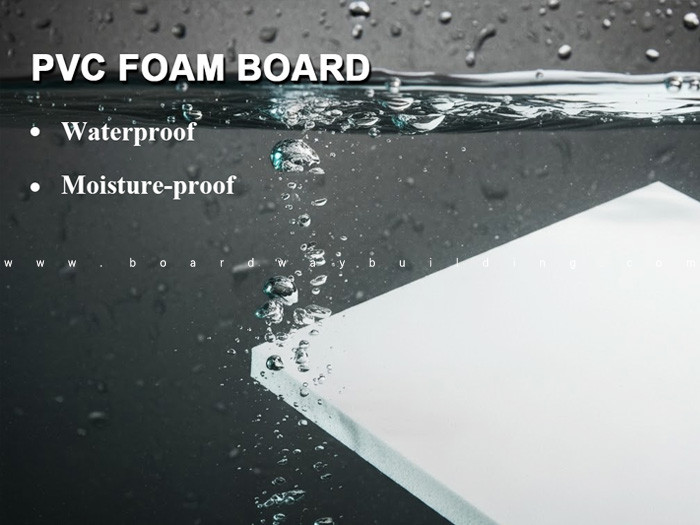
Waterproof PVC Foam Board
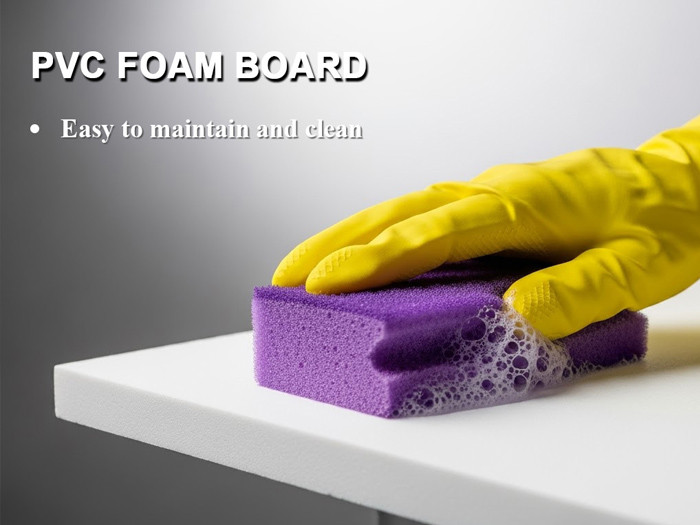
Easy to Clean PVC Foam Board
Why These Misconceptions Matter
Incorrect assumptions can lead to poor purchasing decisions or unfair evaluations of a high-performance material. For B2B buyers, understanding PVC foam board correctly helps avoid:
Boardway provides different PVC foam board formulations depending on application needs—for example:
Home Interior PVC Sheets
Commercial PVC Sheets
Each grade is engineered based on strict performance indicators, not simple “lighter tests,” “smell tests,” or “knife tests.”
Conclusion
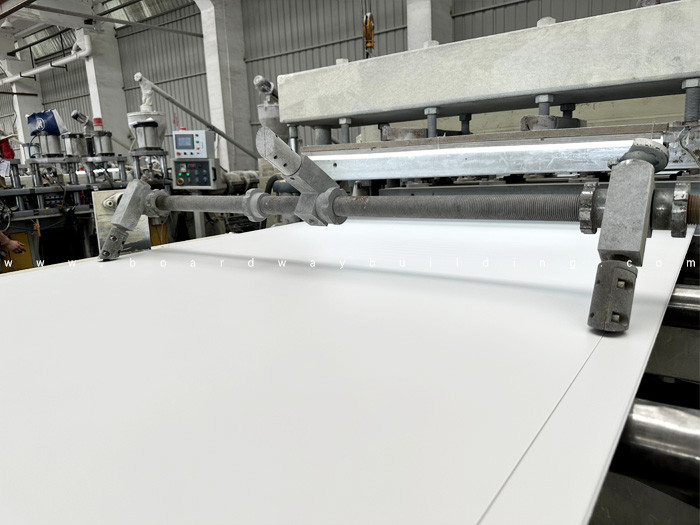
PVC Foam Board Production Line
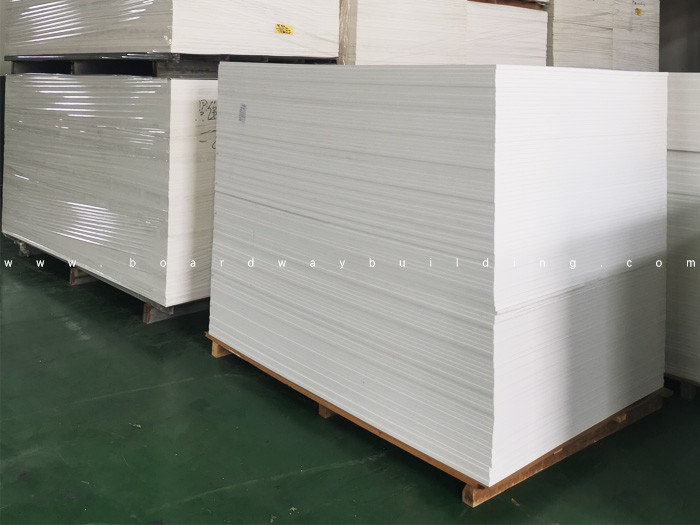
PVC Foam Board Warehouse
PVC foam board is a technologically advanced and highly reliable material—but only when evaluated using the correct standards.
By understanding the true meaning behind flame retardancy, environmental safety, and wear resistance, customers can make better decisions for construction, decoration, furniture, and commercial projects.
At Boardway, we are committed to providing accurate product knowledge along with high-quality PVC foam board solutions tailored to real-world applications.
If you need material recommendations, technical data sheets, or samples, contact our team anytime.
- Want to learn more about PVC foam boards? Visit our PVC Foam Board main page.
- READ MORE