Why Does WPC Foam Board Have a Natural Wood Color?
- Share
- From
- www.boardwaybuilding.com
- publisher
- Boardway
- Issue Time
- Aug 20,2026
Summary
Discover why WPC foam board has a natural wood color, what causes batch color variation, and how manufacturers can improve color consistency.
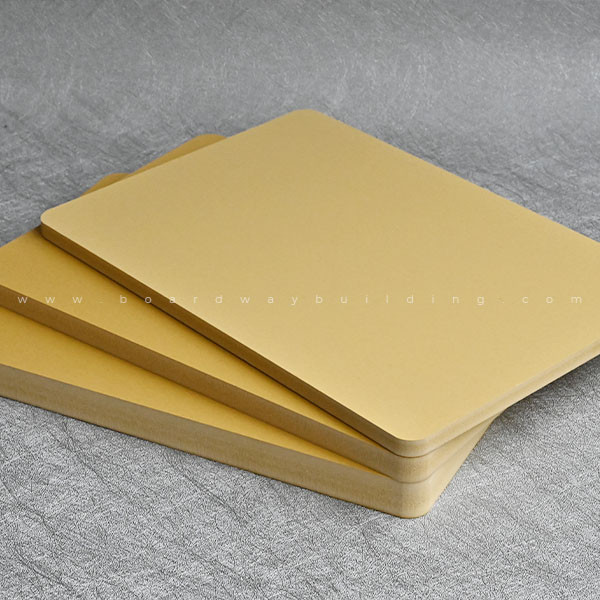
WPC foam board is often chosen for its natural wood-like appearance. Compared with conventional PVC foam board, it typically has a warmer, more wood-like color, making it an attractive option for furniture, cabinets, and other interior applications.
But why does WPC foam board have this color? Why can the color vary slightly between production batches? And can manufacturers control these differences for projects that require a consistent appearance?
Understanding the relationship between wood powder, color variation, and manufacturing controls can help buyers select the right board and set clear expectations before placing a bulk order.
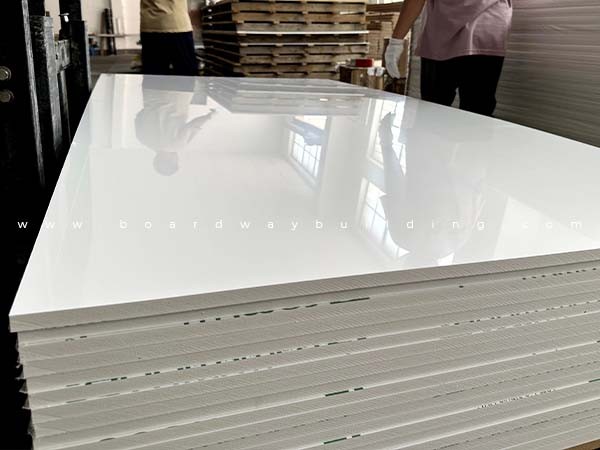
PVC Co-extruded Foam Board
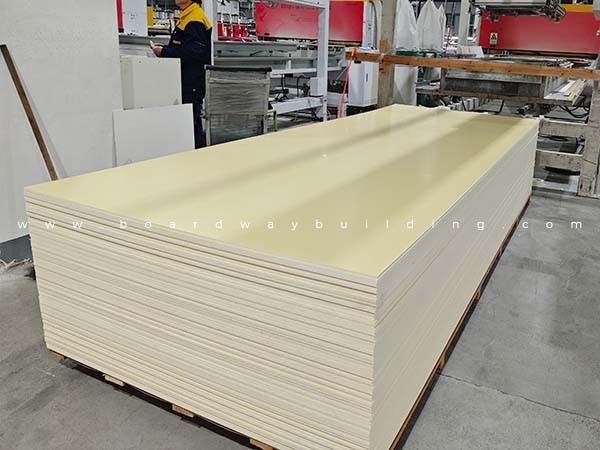
WPC Foam Board
1. What Gives WPC Foam Board Its Natural Wood Color?
Boardway's WPC foam board is manufactured using a PVC-based formulation with approximately 5%–10% wood powder added. It is produced using a manufacturing process similar to that of PVC foam board.
The wood powder contributes to the board's natural wood-like color. Depending on the raw materials used, the finished board may have a light yellow wood tone, a brown wood tone, or another similar shade.
This is one of the main reasons customers choose WPC foam board over conventional PVC foam board. Although their overall performance and processing characteristics are similar, WPC foam board offers a more natural wood-colored appearance that some furniture and cabinet manufacturers prefer.
It is important to distinguish this product from high-density WPC decking and wall-cladding profiles. Despite their similar names, these are different products with different structures and applications. Boardway's WPC foam board is a foam sheet designed for applications such as furniture, cabinets, and interior panels.
2. Why Can WPC Foam Board Color Vary Between Production Batches?
Because the wood powder contributes to the board's color, variations in the raw material can lead to slight differences in the finished product.
Several factors may influence the appearance of WPC foam board.
Natural Variations in Wood Powder
Wood powder is a natural material, and its color is not always identical from one batch to another. Differences in the source and characteristics of the wood powder can influence whether the finished board appears slightly lighter, darker, yellower, or browner.
Differences in Raw Material Batches
Even when the same product formulation and manufacturing process are used, variations in incoming raw materials may affect the final color. As a result, boards produced at different times may not look exactly identical.
The Influence of Surface Finish
The surface finish can also affect how a board's color is perceived. A smooth surface, a wood grain finish, and a sanded surface reflect light differently. Consequently, two boards with similar base colors may appear somewhat different when viewed under certain lighting conditions.
A slight color difference between batches does not automatically mean that the product is defective. However, color consistency can be important for furniture manufacturers, cabinet makers, and other buyers who need multiple boards to match within the same project.
For these applications, color requirements should be discussed with the manufacturer before production begins.
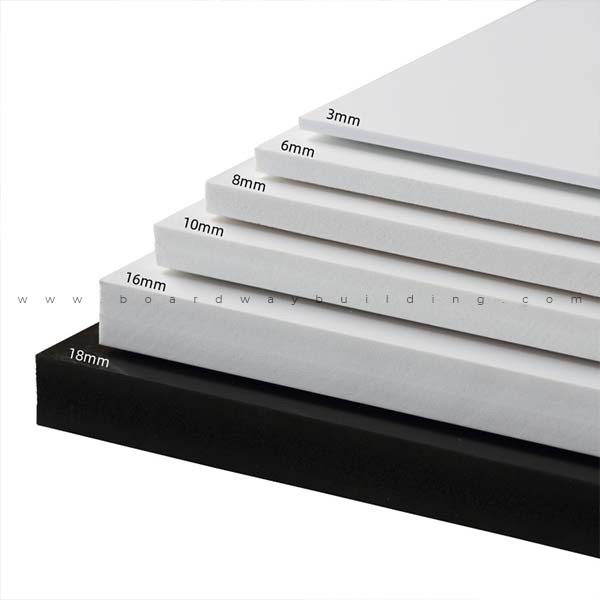
PVC Foam Board Thickness
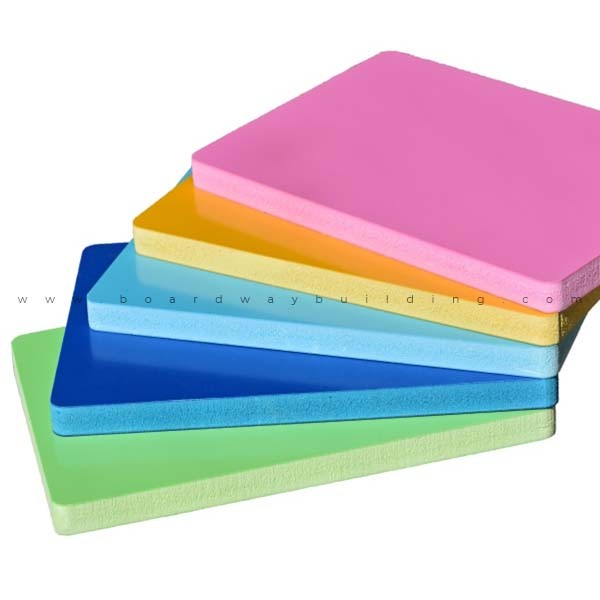
Colored PVC Foam Board
3. Can Manufacturers Keep WPC Foam Board Color Consistent?
Yes. Manufacturers can take measures to reduce color variation and improve consistency between production batches. One approach is to use color masterbatch to adjust the overall color of the board.
Using Color Masterbatch
Color masterbatch can be added to the formulation to help adjust the final color and bring different production batches closer to an agreed color reference.
This is particularly useful for orders where a consistent appearance is important, such as furniture components, cabinet panels, and other products that will be installed or assembled together.
However, adding color masterbatch does not necessarily eliminate every visible color difference. The achievable consistency depends on the product, the selected color, the manufacturing process, and the agreed requirements.
Approving a Physical Sample
For projects with specific color requirements, buyers should request and approve a physical sample before placing a bulk order.
A physical sample provides a more useful reference than a digital image alone because the appearance of a board on a screen can be affected by photography, display settings, and lighting.
The approved sample can then serve as a reference when discussing the expected appearance of the production order.
Defining Color Consistency Requirements
Buyers should communicate their expectations clearly. For example, they may require all boards in one order to have a similar color, or they may need repeat orders to match boards purchased previously.
These requirements should be discussed with the manufacturer in advance. If color matching is critical, buyers should also ask how the manufacturer manages color adjustments and evaluates the finished boards.
The goal is to establish a practical and mutually understood color standard rather than assume that every board will be visually identical under all conditions.

PVC Foam Board for Advertising
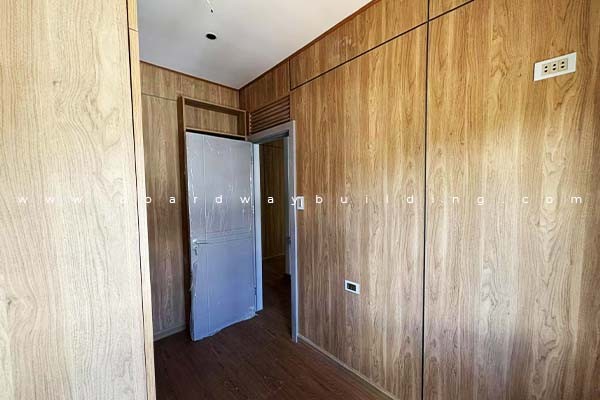
PVC Decorative Panel
4. What Should Buyers Check When Ordering WPC Foam Board?
Color is only one part of the purchasing decision, but it deserves attention when the finished product will remain visible.
Before ordering WPC foam board in bulk, buyers should consider the following points.
These steps can help reduce misunderstandings and make it easier to evaluate whether the supplied boards meet the project's appearance requirements.
For distributors and manufacturers purchasing WPC foam board regularly, discussing color standards early can also make repeat orders easier to manage.
5. Is Natural Wood Color the Same as a Wood Grain Finish?
No. Natural wood color and wood grain finish describe two different aspects of a board's appearance.
Natural wood color refers to the board's overall color, such as light yellow wood or brown wood. In WPC foam board, this color is influenced by the wood powder in the formulation and can also be adjusted through color control measures.
Wood grain finish, on the other hand, refers to the surface texture or pattern that resembles the grain of natural wood.
A board can have a wood-like color without having a pronounced wood grain texture. Likewise, a wood grain finish and a particular base color are separate specifications that should be confirmed when selecting a product.
Boardway offers different WPC foam board surface options, including smooth, wood grain, and sanded finishes. The appropriate choice depends on whether the board will be used directly as a visible panel or as a substrate for further processing, such as lamination.
When appearance is important, buyers should evaluate the color and surface finish together rather than treating them as the same feature.
6. Choosing the Right WPC Foam Board Color for Your Project
The natural wood color of WPC foam board comes from the wood powder added to its PVC-based formulation. This gives the board a warmer, more wood-like appearance that appeals to buyers seeking an alternative to conventional PVC foam board.
Because wood powder is a natural material, some variation in color between production batches may occur. Manufacturers can use color masterbatch and other color-control measures to improve consistency, but the expected result should be confirmed before bulk production.
For buyers, the most practical approach is to select the preferred color and surface finish, approve a physical sample, and communicate any batch-consistency requirements clearly.
Boardway manufactures WPC foam board in a range of specifications and surface options for furniture, cabinets, and other applications. If you are sourcing WPC foam board for a specific project, contact our team to discuss available colors, surface finishes, specifications, and color consistency requirements.
Frequently Asked Questions
1. Why does WPC foam board have a natural wood color?
WPC foam board contains a small proportion of wood powder in a PVC-based formulation. The natural color of the wood powder contributes to the board's wood-like appearance.
2. Why can WPC foam board colors vary between batches?
Wood powder can vary naturally in color depending on its source and batch. These differences may influence the color of the finished board, even when the same product formulation and manufacturing process are used.
3. Can manufacturers control the color of WPC foam board?
Yes. Color masterbatch can be used to adjust the board's color and help improve consistency between production batches. The achievable level of consistency should be confirmed with the manufacturer according to the project requirements.
4. Can I request a specific color for WPC foam board?
Custom color requirements may be possible, depending on the product structure and manufacturing process. Buyers should provide a physical sample or clear color reference and confirm feasibility, minimum order requirements, and production details with the manufacturer.
5. What is the difference between natural wood color and wood grain finish?
Natural wood color refers to the board's overall color, while a wood grain finish refers to its surface texture or pattern. These are separate characteristics and should be specified independently when selecting WPC foam board.
- Want to learn more about PVC foam boards? Visit our PVC Foam Board main page.
- READ MORE